
Events
2026 Wisconsin Rural Health Conference

The annual Wisconsin Rural Health Conference is the statewide forum designed to highlight public policy and operations issues affecting rural health care, identify how the delivery of and access to rural health care are changing and identify ways in which data, technology and people processes are improving care and access for rural populations.
This activity has been designed to meet the educational needs of CEOs, administrators, chief financial officers, controllers, nurse executives, chief medical officers, medical directors, marketing/public relations directors, quality managers, risk managers, public health officials and hospital board of director members of rural health care organizations.

DATE
Jun. 8 - Jun. 10, 2026
5:00 PM - 12:00 PM

LOCATION
The Osthoff Resort & Spa
101 Osthoff Avenue
Elkhart Lake, WI 53020
The 2026 Wisconsin Rural Health Conference will be held at:
The Osthoff Resort & Spa
101 Osthoff Avene
Elkhart Lake, WI 53020
Lodging
A block of hotel rooms are on hold for our conference attendees. Rates are:
- Standard Rooms and 1 Bedroom Suites: $219/night
- 2 Bedroom Woodland Suites: $259/night
- 2 Bedroom Courtyard Suite: $299.00/night
Overflow Lodging
We have secured a small room block at an alternative location, in the event that rooms run out at The Oshoff Resort & Spa. This block will expire on May 11.
Siebkens Resort
284 S Lake St
Elkhart Lake, WI 53020
To make a reservation, please click here.
Historic Hotel rooms with one or two beds and a private bathroom will be $147 a night plus tax.
A balcony hotel room with one or two beds, a private bathroom, and a balcony will be $203 a night plus tax.
One bedroom condo with one bed, a full kitchen, a living room, a private bathroom, and a private balcony for the nightly rate of $308 a night plus tax.
Meeting Attire
The attire for this conference is business casual. Please remember that meeting rooms and public areas may be too cool or too warm for your preference. Please wear layers, in order to be as comfortable as possible.
Questions
For questions regarding the conference please contact the WHA Education department at education@wha.org or 608-274-1820.
Cost is $525/person and the online registration deadline is Wednesday, June 3. To register, please click here.
After this date, please register in person at the conference.
Attendees of the June 9 Dinner Reception are welcome to bring a guest. The cost for each dinner guest is $70.
Optional Activities - The below activities are optional for conference attendees ONLY.
Golf
The golf outing this year will be held at:
The Bull at Pinehurst Farms
1 Long Drive
Sheboygan Falls, WI 53085
Cost for participating in the golf outing is $145 and includes:
- 18 holes with a cart
- Box Lunch
- 2 drink tickets
BBQ Grilling Cooking Class
Indulge your taste buds and elevate your grilling game by joining our specialty BBQ class at The Osthoff Resort & Spa. Uncover the secrets behind crafting mouthwatering brisket and baby back ribs, paired with roasted veggies. Experience includes enjoying your own creation and 2 complimentary beverages (Wine, Beer or Soft Drinks). Cost for participating is $115/person.
Class is being held from 12:00 - 2:00PM. Space is limited to 20 people total.
Please note: The Golf and Cooking Class options are listed on the conference registration. All payment (conference, golf option and cooking class option) must be received prior to the conference beginning in order for your registration to be active.
Payment Information
WHA accepts the following payment types:
Credit Card: Visa or MasterCard are accepted. Please note: There is a 3.5% PayPal service charge for all credit card payments.
Check: Checks should be made out to Wisconsin Hospital Association. If paying by check, please include a copy of your registration generated invoice and send to:
Wisconsin Hospital Association
Attn: 26RURAL
5510 Research Park Drive, Suite 200
Fitchburg, WI 53711
ACH: If you are interested in receiving ACH payment information, please email us at education@wha.org
WHA Cancellation Policy
Cancellations received in writing up to fifteen (15) business days prior to the conference will be given a full refund less a $50 processing fee. No refunds will be given for cancellations received less than fifteen (15) business days prior and day-of-program no-shows. Substitutions are accepted.
Special Requests
Dietary special requests can be indicated through the registration process. If you have any other special requests, please contact the WHA Education Department at education@wha.org

Rev. 5/18/2026
The opportunity to exhibit and/or sponsor at the Wisconsin Rural Conference is available for WHA Corporate Members only. If you are interested in learning how you can become a Corporate Member, please email WHA's VP of Education and Corporate Partnerships Leigh Ann Larson

Tim Size
Executive Director, RWHC
Tim Size is the founding executive director of the Rural Wisconsin Health Cooperative (RWHC). Begun in 1979... See more

Anna VerKuilen, MPH
Program Manager – Emergency Care, Children’s Health Alliance of Wisconsin
Anna VerKuilen, MPH is a program manager with the emergency care initiative at the See more
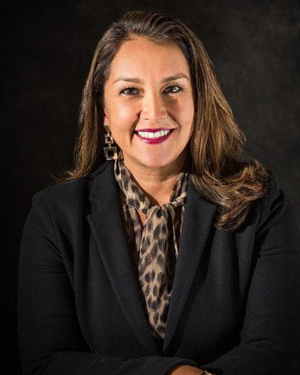
Wendy Ledesma, MD
Chief Medical Officer, Sauk Prairie Healthcare
As a physician executive, Dr. Wendy Ledesma is a dynamic catalyst for positive change, an innovator in provider wellness... See more

Eilidh Pederson, MPH, FACHE
CEO, Western Wisconsin Health
Eilidh Pederson joined Western Wisconsin Health (WWH) as their CEO in January of 2022. Prior to joining... See more

Matt Heywood
President & CEO, Aspirus
Matthew “Matt” Heywood joined Aspirus as President and Chief Executive Officer in June 2013. Prior to joining Aspirus... See more

Dan Rohrbach
President & CEO, Southwest Health
With over 30 years in leadership roles in rural healthcare organizations, Dan brings Southwest Health a high level of management skills and experience. Yet, those who know him... See more

John Russell
President & CEO, Prairie Ridge Health
John Russell is the President and CEO of Prairie Ridge Health, a 25-bed Critical Access Hospital in South Central Wisconsin. He is a Certified Public Accountant and... See more

Heather Schimmers
President, Emplify Health
Heather Schimmers is an experienced clinical and administrative leader who serves as President of Emplify Health. She is responsible for... See more

Sue Anderson
Regional President, SSM Health Wisconsin
Sue is a passionate, collaborative, and experienced health care leader with a strong track record of achieving results in operational excellence and... See more

Shawn Lerch
CEO, Sauk Prairie Healthcare
Shawn Lerch is CEO for Sauk Prairie Healthcare. Originally from Albany, WI, Shawn spent seven years in the Navy before beginning his career in healthcare as a physical therapist assistant... See more

Luke Beirl
President and CEO, Tamarack Health
Luke Beirl is President and CEO of Tamarack Health. Luke's health care career began in Pharmacy, earning a See more

Katie Ott
Director of Benefits Engagement Solutions, Partner, M3 Insurance
Katie Ott is a Partner and Director of Benefits Engagement Solutions at M3 Insurance and a member of See more

Nadine Allen
Chief Quality Officer & WHA Initiative Sponsor, WHA
Nadine Allen serves as Chief Quality Officer for the Wisconsin Hospital Association (WHA), providing strategic leadership for statewide quality and patient safety improvement initiatives... See more

Heather Schmidt, DO
Chief Wellness Officer, SSM Health Found du Lac Integrative Health
Dr. Heather Schmidt is a family medicine physician in Fond du Lac, Wisconsin, with training from See more

Maureen Luetje, DO
Associate Professor of Pediatrics, Medical Director of Pediatric Readiness, Associate Medical Director for Trauma, Surgery and Disaster Medicine, Medical College of Wisconsin – Children’s Wisconsin
Dr. Maureen Luetje is an Associate Professor of Pediatrics in the Division of See more

Kyle O'Brien
President & CEO
Kyle O’Brien was appointed President and CEO of the Wisconsin Hospital Association (WHA) on July 1, 2025. He joined WHA in December 2012 as Vice President of Government Relations... See more

James Junger
Attorney, Hall Render
James Junger focuses his practice on pharmacy and health care compliance issues. James assists See more
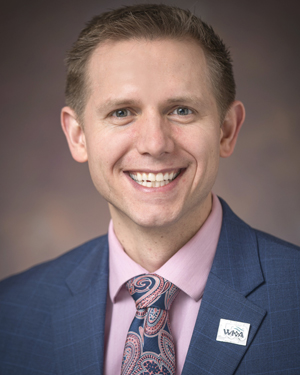
Jon Hoelter
Vice President, Federal Affairs and Advocacy, WHA
Jon Hoelter has served as the Wisconsin Hospital Association’s Director of Federal & State Relations since See more

Nathan Franklin
Vice President of External Affairs and Sustainability, Emplify Health
See more

Kristie McCoic
Vice President Critical Access Hospitals North Region, Theda Care Medical Center - Shawano
See more

Marie Barry
Director of Community Economic & Workforce Development, RWHC
Marie Barry currently serves as the Director of Community Economic & Workforce Development at the See more

Brianna Juszczak
Director of Acute Care and OB, Mile Bluff Medical Center
See more

Michael "Mike" Stadler, MD
Associate Professor of Otolaryngology and Head and Neck Surgeon, Medical College of Wisconsin
Dr. Stadler is an associate professor of otolaryngology – head and neck surgery at the Medical College of See more

Stefanie "Stef" Simmons, MD, FACEP
Chief Medical Officer, Dr. Lorna Breene Heroes' Foundation
Stefanie Simmons, MD is the Chief Medical Officer at the Dr. Lorna Breen Heroes’ Foundation and a board-certified See more
Greg Bice
Senior Manager, Deloitte Consulting
See more
Elise Winter
Senior Manager, Deloitte Consulting
See more

Kris Jacobson, MBA, LNHA, LALD
CEO and Owner, Momentum Healthcare Solutions Group
Kris Jacobson has more than 30 years of experience in healthcare administration, with a focus on See more
Matthew Borchardt, MBA
CPA, Atrelis Co.
See more
Madison Johnson
CFO, Osceola Medical Center
See more

Paul Long
Leadership and Culture Expert
Paul J. Long is a leadership and culture expert who teaches organizations the See more

Carol Wilson
President & CEO, Empathia
Carol Wilson is President and CEO of Empathia, Inc., an EAP and See more

Laura Kuglitsch
Population Health & Wellbeing Advisor, M3 Insurance
Laura Kuglitsch is a population health and wellbeing advisor with the population health and See more

Chris DeLapp
Staff and Community Education Manager, Prairie Ridge Health
Chris has been the Staff and Community Education Manager at Prairie Ridge Health since 2003, prior to that he See more

Phil Gwoke
CEO, Generational Expert & Thought Leader
As an internationally recognized speaker, Phil has spoken in 47 different states and four continents to over a quarter of a million people. He continues to inspire audiences... See more